Practical Usage of Sunsinjoy’s Nisin E234 in Dairy, Meat, and Canned Foods
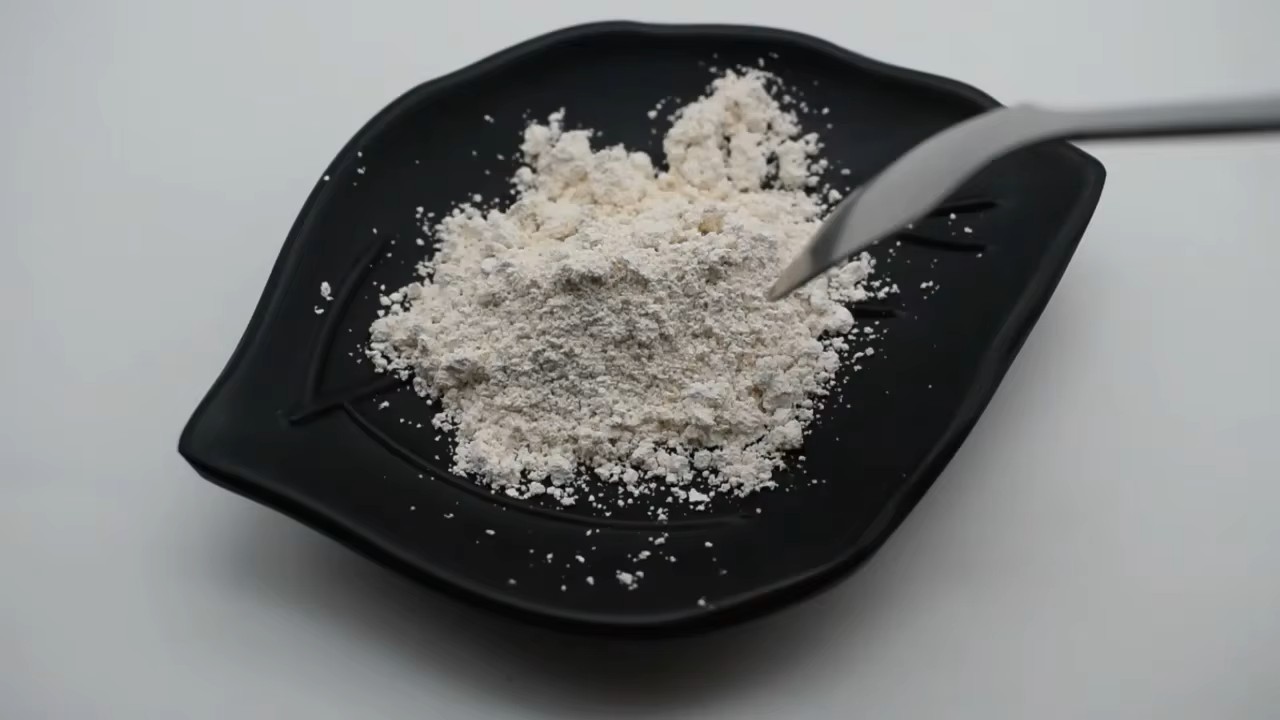
Food preservation aids in the maintenance of the safety, freshness and longer storage of foods. The food is spoiled because the pathogenic bacteria increase in number during storage and transportation of the food. Nisin E234 is a natural preservative that is applied in the prevention of the growth of some harmful bacteria. The Nisin e234 by Sunsinjoy is normally applied in dairy, meat, and tinned foods.
What Is Nisin E234
Nisin E234 is a natural substance produced during fermentation by lactic acid bacteria commonly found in traditional fermented foods. Nisin has a long history of manufacturing safe food. Most countries have approved its use in certain classes of foods. Nisin is mostly used to address spoilage-causing food safety bacteria.
How Nisin E234 Works
Nisin E234 kills the outer wall of certain bacteria, leading to their death when the wall is compromised. This process slows down food spoilage, and food safety is reduced. Nisin has a greater impact on Gram-positive bacteria that are common in most food products. It is effective with low to moderate-acidity foods. Nisin works well with foods as well as through proper heating during processing.
Use of Nisin in Dairy Foods
Cheese, milk, and yogurt are dairy products that are vulnerable to the attacks of bacteria. Even under cold conditions, harmful bacteria may grow in the course of storage. In dairy processing, Sunsinjoy Nisin E234 is used to inhibit bacteria. Nisin is added early to preserve flavor, texture, and freshness, ensuring safer storage and transport. Hygiene and temperature are also monitored.
Use of Nisin in Cheese Production
Bacteria are known to spoil cheese products during aging and storage. Nisin E234 serves the purpose of controlling undesired bacteria when making cheese. It prevents the loss of cheese without distorting flavor and appearance. Nisin can be applied to both soft and processed cheese. Correct dosing is safe and does not violate the local food laws. To ensure that nisin functions properly in every recipe, cheese makers test their cheese products.
Use of Nisin in Meat Products
During the processing and storage processes, meat products may harbor harmful bacteria. Heat-treated cooked and processed meat is particularly susceptible. Nisin E234, which Sunsinjoy uses, is advantageous in the control of bacterial growth in such products. It is usually present in canned meat as well as ready-to-eat meat products. Nisin is not a replacement for cooking or food sanitizing procedures and does not extend the shelf life. There is still a need for clean handling and safe storage of meat.
Use of Nisin in Canned Foods
Foods that are processed into cans are capped to block external contamination. Nevertheless, certain bacteria might die under the conditions of growth. The Nisin E234 assists in the control of these bacteria once they are sealed and heat-treated. It is usually applied to canned vegetables, soups and mixed meals. Nisin can be used to preserve the shelf life and ensure food safety. The preservative is to be formulated properly so that it is effective in closed containers.
Influencing Factors of Nisin Performance
The effectiveness of nisin within various food items is influenced by a number of factors. Food acidity is significant in the levels of nisin activity. Processing of heat may enhance or deteriorate performance under certain circumstances. Nisin may also interact with other ingredients, and performance may be compromised. Due to this fact, testing is significant when product development levels are at hand. It allows testing of the correct dosage and similar food safety results.
Safety and Regulatory Considerations
Nisin E234 has been approved for food use in most of the world’s markets. It has been declared as a safe food in the United States. Producers of food have to adhere to lawful restrictions on nisin use concentrations. Paperwork, like test reports and certificates facilitate compliance. Nisin is a product of fermentation, so allergic data must be analyzed. Stability tests are done to ensure that nisin is still effective within the shelf life of the product.
Sourcing and Handling Practices
The nisin supplied by food manufacturers has well-known purity and activity information. Quality suppliers have given test data that gives strength and quality levels. Nisin is sensitive to moisture and temperature and, therefore, should be well packed. Proper storage conditions contribute to the preservation of the effectiveness of use. The management of instructions is taken seriously in food production stages. The steps are useful in ensuring that the production batches yield consistent results.
Conclusion
The Nisin E234 by Sunsinjoy is very relevant in the current food preservation. It is used to manage undesirable bacteria in dairy products, meat and tinned products. Small portions offer the security support without altering food quality and flavor. Effective results cannot be achieved without proper testing and proper usage of these. Nisin is used in conjunction with heat treatment, hygiene and storage controls. It has a rich history of being reliably used in a responsible manner. Its use can be understood to explain why it is still used in food production.