Why Vermeer Trencher Tooth Failure Usually Starts at the Holder
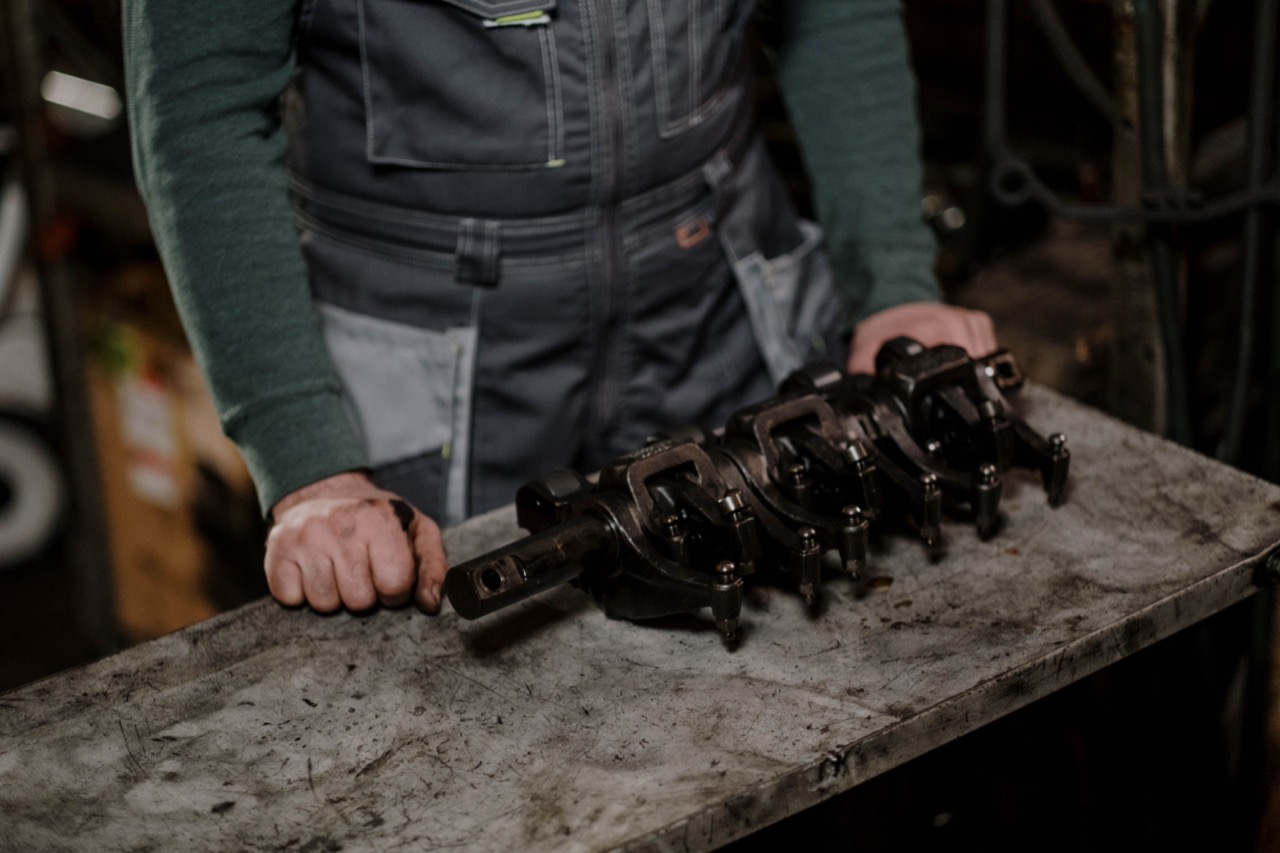
The tooth is the visible wear part. It’s what you pull out at the end of a shift and examine, what you count when you’re ordering replacements, what gets blamed when the chain starts cutting slow. But in most cases where a Vermeer trencher is eating through consumables faster than it should, the tooth isn’t where the problem starts or where it does the most damage.
The holder is. And a damaged holder costs three to four times what a tooth costs, takes longer to replace, and doesn’t announce itself until it’s already been running damaged long enough to cause problems downstream.
Understanding why holder damage happens — and how tooth selection contributes to it — changes how you think about the whole consumable system.
How the Tooth-Holder System Actually Carries Load
A trencher tooth doesn’t cut in isolation. It’s held in a block welded to the chain, and the geometry of that connection determines where cutting forces go when the tooth contacts material.
When a tooth hits soil or rock, the cutting force has two components: the tangential force that drives the chain forward, and the lateral and radial forces that try to rock, twist, or pull the tooth out of the holder. The tooth shank is what resists those secondary forces — it sits in the holder bore and transfers load into the block. If the tooth is the right geometry for the material, the forces are distributed in a way the holder can handle. If the tooth geometry is wrong for the conditions, the force distribution changes in ways the holder wasn’t designed to absorb.
The clearest example is running cup teeth in hard or abrasive material. Cup teeth are designed for precise, controlled cutting in pipeline and utility installation work — loose to medium soil, consistent material, controlled depth. The cup geometry scoops material rather than shearing it, which works efficiently in the right conditions. In compacted soil, caliche, heavy clay, or gravel, the same geometry creates a very different force profile: the cup face contacts material across a broader surface area, which increases the lateral load on the tooth shank and transfers it into the holder bore as a rocking moment rather than a clean axial load.
Over repeated cycles in those conditions, the holder bore wallows out. The tooth develops play in the holder. That play allows the tooth to rock more with each cut, which accelerates the bore wear further. By the time the tooth is visibly worn, the holder has often been running in a compromised state for hours.
Shark Teeth and What They’re Actually For
Shark teeth have an aggressive forward-raked profile that’s optimized for cutting through compacted ground. The geometry concentrates force at the tip rather than distributing it across a face, which means the tooth shears material rather than scooping it. In hard, compacted soil, this produces better cutting efficiency and cleaner force transfer into the holder.
The raked tip design also means shark teeth self-clear better than cup teeth in sticky clay — material is less likely to pack behind the tooth and add drag to the chain. In conditions where clay packing is a problem, that self-clearing behavior makes a real difference in chain speed and cut consistency.
Where shark teeth create problems is in loose, sandy soil where the aggressive geometry isn’t needed. In soft material, a shark tooth runs fine but wears faster at the tip than a cup tooth would, because the concentrated tip contact has less material to distribute wear across. For utility installation in consistent, loose-to-medium soil, cup teeth are the more economical choice because the conditions don’t justify the tip geometry.
The selection principle: shark teeth for compacted soil, hard clay, and mixed-composition ground. Cup teeth for controlled installation work in consistent, non-abrasive material.
Rock Teeth: When the Carbide Matters More Than the Body
Rock teeth and carbide-tipped teeth are the specification for genuinely hard material — rocky soil, hardpan, fractured shale, or any condition where standard alloy steel tips would lose their geometry within a single shift.
The carbide insert on a rock tooth maintains its cutting edge in conditions that would round off a standard tip within hours. The harder the material, the more pronounced the advantage. In soft rock or heavy gravel, carbide teeth may last three to five times as long as standard teeth in comparable conditions. In hard rock, the gap is larger.
The force dynamics with rock teeth are different from cup or shark designs. Rock teeth are built to take direct impact loading from hard material, with the carbide tip absorbing the initial contact force and the reinforced body distributing the remainder into the holder. The holder blocks used with rock teeth need to be in good condition — a worn holder that allows tooth movement under impact loading accelerates carbide fracture because the tip is being hit at variable angles rather than consistently.
When ordering vermeer trencher teeth for hard-material applications, specifying the carbide grade matters as much as the tooth geometry. Carbide for high-impact conditions (rock contact, hard soil with embedded stone) needs higher cobalt content for toughness; carbide for high-abrasion conditions (sandy gravel, abrasive clay) needs lower cobalt for hardness. A supplier who can specify the carbide by grade rather than just calling it “carbide-tipped” has actually engineered the product for the application.
Pitch Configuration and Chain Assembly Integrity
Tooth selection doesn’t operate independently of the rest of the chain assembly. Vermeer trencher chains run in standard 1.654-inch and 2-inch pitch configurations, and the tooth specification needs to match the chain pitch and the drive sprocket geometry.
A common source of premature holder wear is running a chain that’s stretched beyond its service limit. As chain pitch increases with wear, the teeth no longer engage material at the correct geometry — each tooth contacts at a slightly different angle than it was designed for, which shifts the load distribution at the holder in the same way that wrong tooth geometry does. The holders wear faster, the cut quality degrades, and the operators often attribute it to bad teeth rather than a chain that needed replacement several hours ago.
Check chain stretch regularly. The chain should be replaced when stretch exceeds the manufacturer’s tolerance, not when it stops cutting entirely. Running a worn chain to failure costs holder blocks; replacing it on schedule costs chain only.
Reading Wear Patterns to Diagnose the Actual Problem
Pulled teeth at the end of a shift tell you something if you look at them systematically rather than just counting how many are worn.
Even tip wear across the tooth face, with the shank in good condition, is normal abrasive wear. The tooth selection is probably right and the chain is running as intended. Replace the teeth and continue.
Asymmetric tip wear — one side of the tooth wearing faster than the other — indicates the tooth is contacting material at an angle, which means either the chain is twisted, the boom angle is off, or a holder is damaged and allowing the tooth to sit cocked in the block.
Missing or fractured carbide tips without corresponding wear on the tooth body indicates impact fracture rather than abrasion. The carbide is hitting something harder than it’s rated for — either the soil has harder inclusions than the tooth spec assumed, or the tooth is running loose in the holder and taking impact at variable angles.
Shank wear or rounding at the holder contact surfaces means the holder bore is worn and the tooth is rocking in the block. This is the pattern that requires holder replacement, and the sooner it’s caught, the less damage propagates to adjacent blocks and the chain itself.
The tooth is what you see. The holder is what tells you whether the selection and maintenance program are actually working.